The Eternal Student
In my previous blog I wrote about how my journey through sobriety was enabled by various more literal journeys, running from A to B, up and down, around and about the UK. Rediscovering the fitness that I’d lost after a serious rugby injury – and building up to running a series of ultramarathons – became my Higher Power.
In particular, the Kennet and Avon Canal Race, a 145-mile run from London to Bristol along England’s canals pushed me to my limits. During a heatwave in July 2021, the mercury pushed over 30°C and race conditions weren’t made any easier by having to run through overnight thunderstorms. Still, 31-and-a-bit hours after leaving Little Venice, near London’s Paddington Station, I padded along the banks of the River Avon on the outskirts of Bristol towards a small gathering of crew members, who were waiting to cheer me over the finish line. Having tied the knot six days beforehand, my extremely accommodating and supportive wife, Krista, joined me to scrape me through the last 20 miles, making those final few hours – by which stage I was hallucinating – far more bearable.
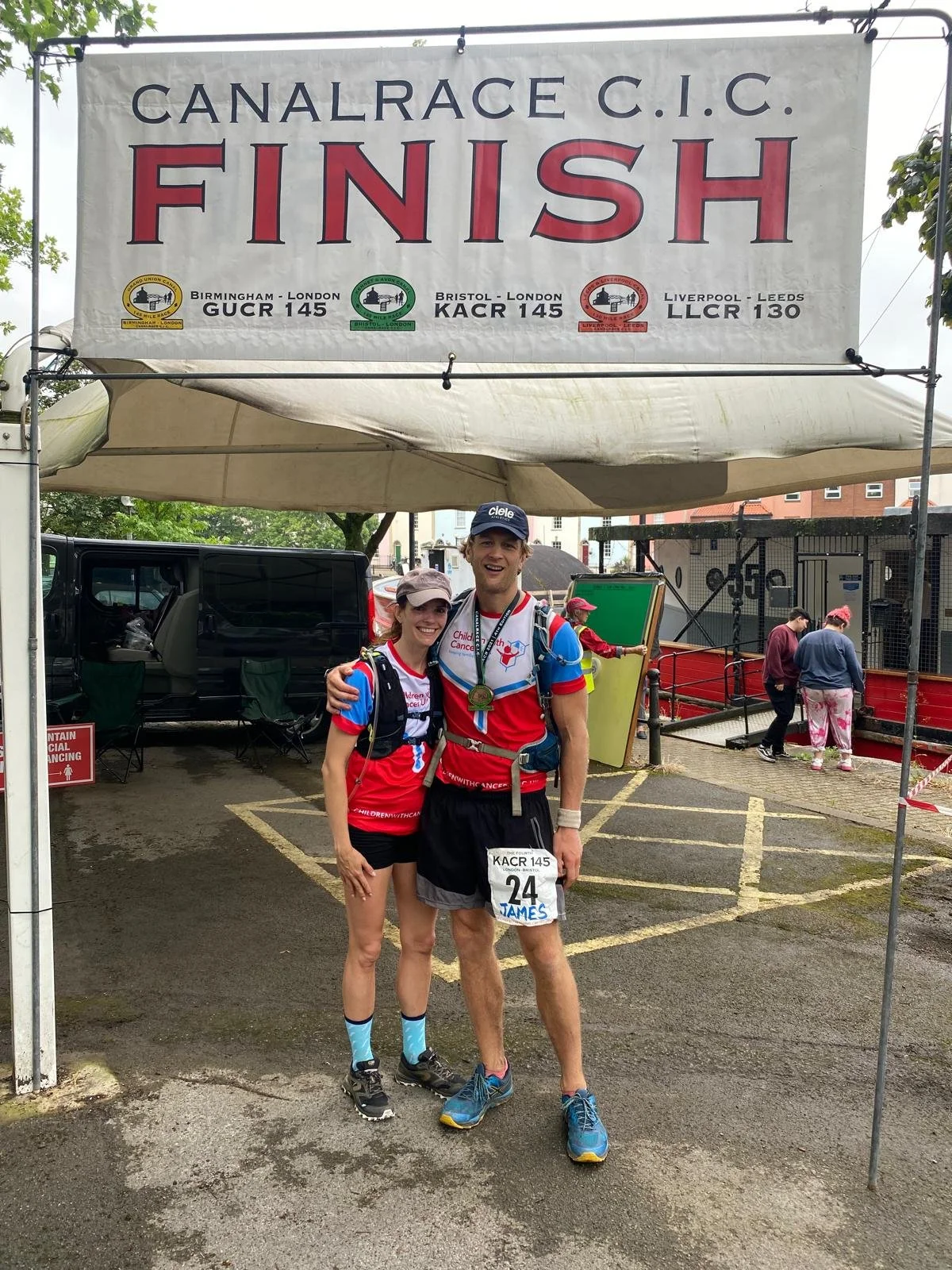
The Kennet and Avon Canal Race – a 145-mile race from London to Bristol
And I came second out of 75 crazy starters.
When I had initially struggled with my Higher Power, perhaps it was fate that had me sitting down one Sunday morning and watching the London Marathon on TV, sparking the idea to embark on a series of endurance-based fitness challenges. Five years later, in a similar vein, I found myself perusing the news one day to read about Tom Hardy, the British actor of Inception, Legend, The Dark Knight Rises and Venom fame, competing in a Brazilian jiu jitsu tournament. The news did the rounds of Hardy, competing under his real name Edward, winning his division and my immediate thought was of his poor opponent looking up and realising he’s about to fight Bane. I mean, if the guy can snap Batman in half, sales manager Andy from Milton Keynes doesn’t stand much of a chance, does he?
Afterwards, Hardy posted a photo of himself on Instagram, wearing a gi, head bent in contemplation, alongside the following caption:
“Addiction is difficult and complex stuff to navigate; as is mental health. Subjects which are both deeply personal for me and extremely close to my heart.
“Simple training, for me (as a hobby and a private love) has been fundamentally key to further develop a deeper sense of inner resilience, calm and well being. I can’t stress the importance it has had and the impact on my life.”
I had read about Hardy’s history of alcohol and drug addiction and hugely respected him for the openness with which he had shared his experiences. And the impact of this regime for him was interesting.
There are far longer and more brutal runs and races out there than the KACR but I felt like I’d scratched an itch and decided that the second place finish in a 145-mile race wouldn’t be too bad a high to go out on. I no longer felt compelled to find the next level of my limits and didn’t have anything further to prove to myself. Ultrarunning had served its purpose as my short-term sobriety mechanism and a means of channelling my emotions into something positive. Plus, I didn’t want the hours upon hours of arduous training eating into the more important things in my life; like spending time with my beautiful wife (and now son).
So it was that I found myself strolling into my local BJJ school and being folded in half, choked and having my arms almost snapped off. I was immediately hooked. But it isn’t the combative nature of the sport that has kept me coming back for more of this brutality – it’s the incredible parallels between BJJ and sobriety.
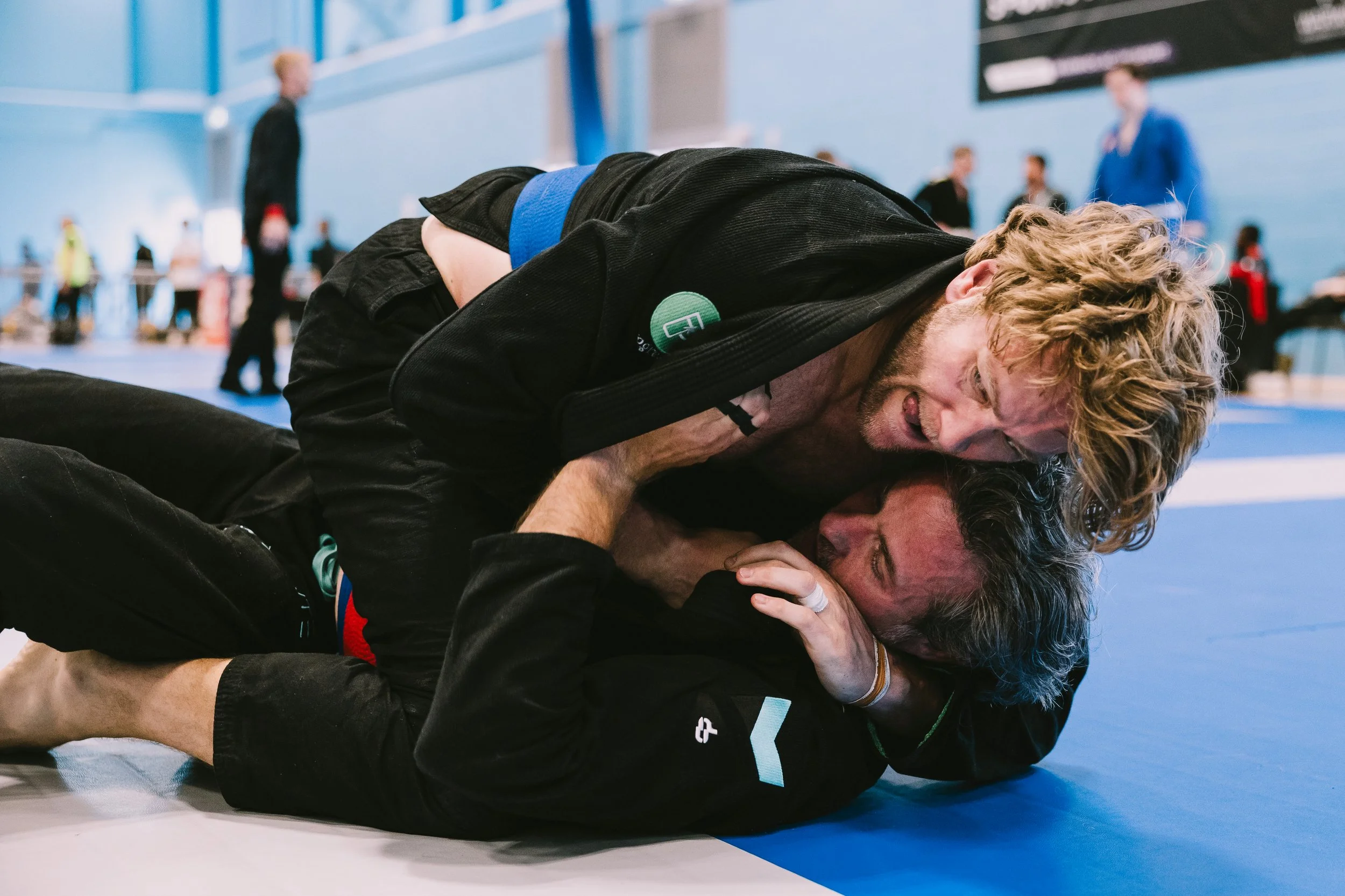
Competing at the BBJ British Open
Both are continual processes. The more you learn, the more you realise there is to learn. Every day (or training session) throws out a new challenge and part of the joy comes in determining how you’re going to overcome each of those challenges. Without having been choked – or without having had a drink.
And for the five minutes that you’re rolling – we don’t use the word ‘fight’ – you can’t think about anything else. Not about the mortgage, the costs of childcare, the work deadline, the repairs the car needs, the DIY tasks you haven’t completed, the argument you had with your partner. If you do, you’ll get choked or have your arm snapped off. It raises an interesting question; in this world of constant distractions, how often do you get a chance to be completely, 100% present? Answer: probably not often enough.
As a blue belt, two and a half years on, I am still only just scratching the surface of this fascinating sport and everything it has to offer – indeed, my coach, a black belt of 15 years’ experience claims he is only just scratching the surface – and I love the concept of committing myself to something until the day I die, even with the knowledge that I’ll never master it. I call it being the eternal student.
Much like ultrarunning, I appreciate BJJ isn’t for everyone. I’m not saying you have to rush out and learn how to Ezekiel choke or armbar someone. But I am saying that you need something in your life – and in your sobriety – that gives you that connection back to yourself. Something that removes you from the everyday stresses of life, if only for a few minutes at a time. When things are tough, all it takes is a moment or two of simply being present to reset and remind yourself of your ‘why’.
By doing so, we can build mental fitness, which I define as the ability to ride life’s rollercoaster of ups and downs, about which I go into in far more detail in my book, READY, SET, LIFE. Please pick up a copy.
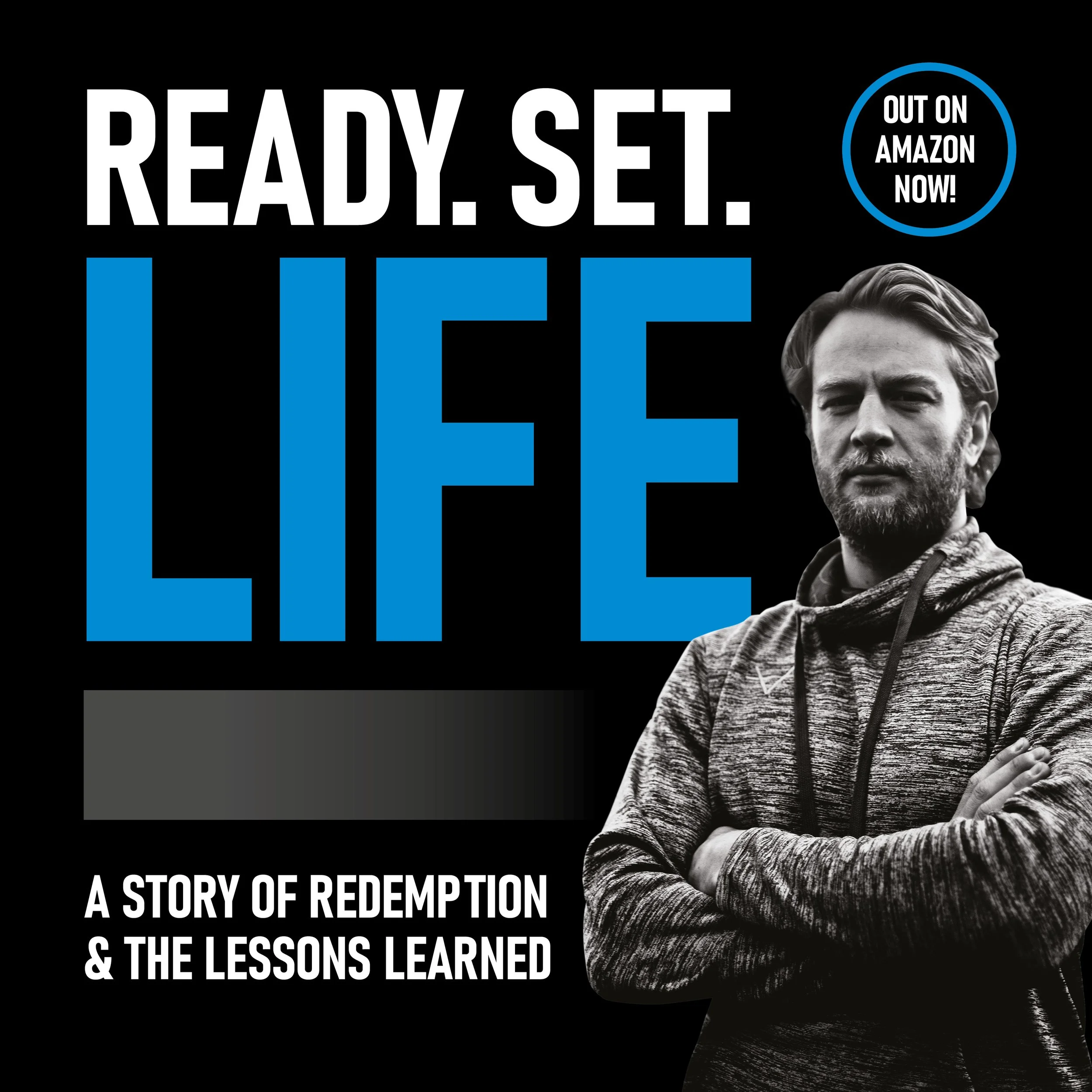
This article first appeared on The Sober Curator.